Macwheel — Electric Mobility (e-bikes, E-scooters, Golf Rangefinders)
Macwheel: Built for Urban Commuters and Eco-Conscious Families
Macwheel exists for the daily commuter tired of traffic jams, parking fees, and the environmental guilt that comes with traditional transportation. Based in Shenzhen, China — the global epicenter of electric mobility innovation — the brand has developed a complete ecosystem of personal electric vehicles designed to transform how people navigate their cities. From the office worker catching the last mile from the subway to the parent seeking a safe, fun way for their child to explore the neighborhood, Macwheel delivers solutions that prioritize convenience without compromising on quality or safety.
The brand's mission centers on making eco-friendly transportation accessible to everyone, not just tech enthusiasts or fitness fanatics. Every Macwheel product reflects this philosophy through thoughtful engineering choices: foldable frames that fit under desks or in car trunks, removable batteries that charge anywhere an outlet exists, and intuitive controls that require zero learning curve. These aren't luxury toys for weekend hobbyists. They're practical tools for real people solving real transportation challenges every single day.
Urban professionals, college students, suburban families, and environmentally conscious riders all find their needs addressed within the Macwheel lineup. The brand has earned particular loyalty among those who previously dismissed electric mobility as too expensive, too complicated, or too unreliable. By focusing on affordability and dependability rather than flashy features, Macwheel has positioned itself as the sensible choice for anyone ready to simplify their commute while reducing their carbon footprint.
From E-Bikes to Kids' Scooters: A Vehicle for Every Rider
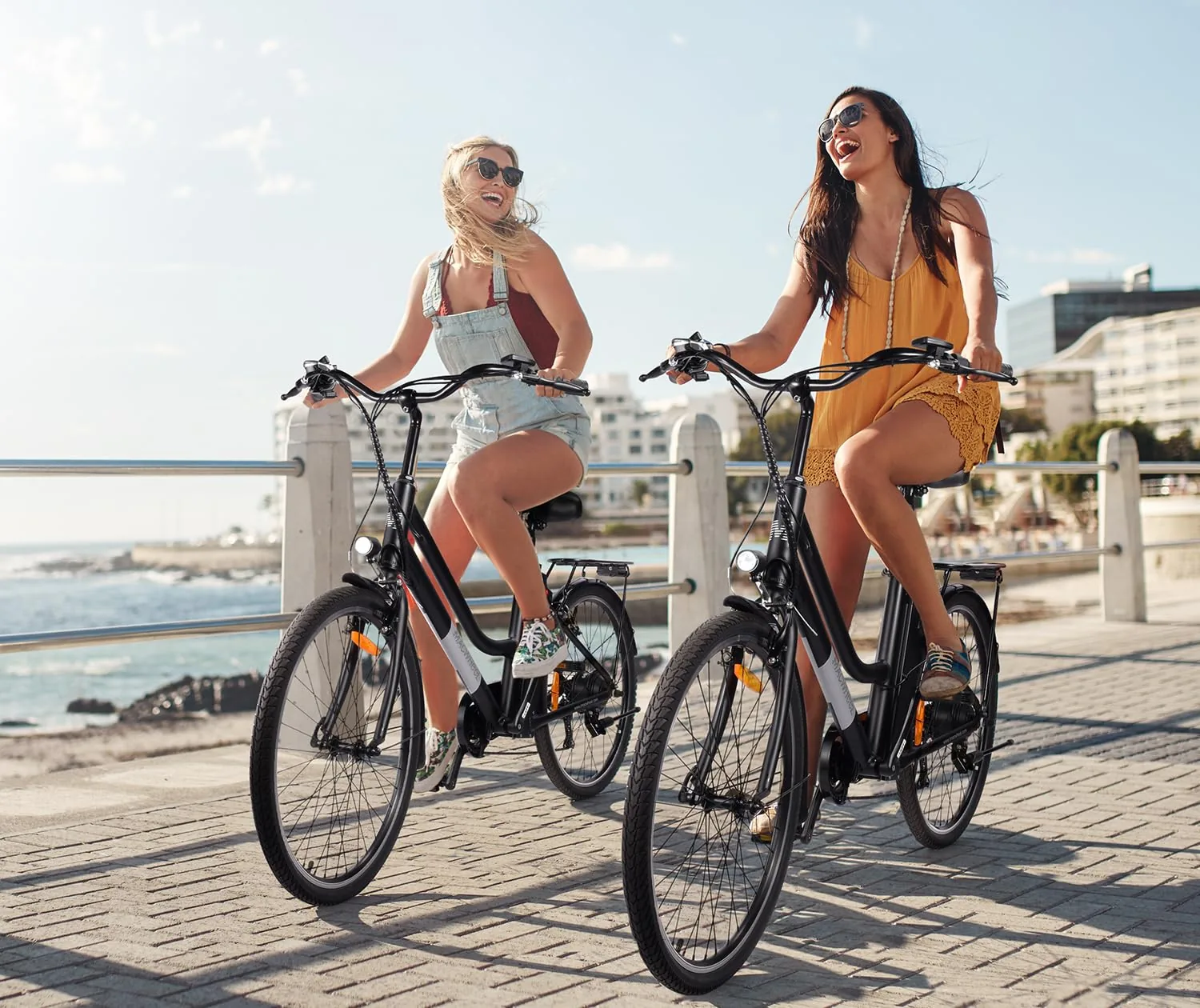
The product range spans four distinct categories, each engineered to serve specific rider needs while maintaining the brand's signature balance of performance and value. Electric bikes anchor the lineup with powerful motors, removable lithium-ion batteries capable of 50+ mile ranges, and professional-grade components like Shimano gear systems. These aren't stripped-down budget alternatives. They're fully-featured commuter machines built to handle daily use across varying terrain and weather conditions.
Electric scooters for adults offer the ultimate in portability, featuring foldable designs that collapse in seconds for subway rides, elevator trips, or trunk storage. Dual braking systems and smartphone app connectivity elevate these beyond basic kick scooters into genuine transportation solutions. For families with younger riders, the kids' electric scooter collection delivers age-appropriate speed settings, adjustable heights, LED lighting for visibility, and lightweight frames that children can manage independently.
Rounding out the unexpected but strategically smart catalog is a line of golf rangefinders featuring slope compensation technology, flag-pole locking, and rechargeable batteries. This diversification demonstrates the brand's broader commitment to precision engineering and outdoor recreation, while the core focus remains firmly on personal electric mobility solutions that make everyday life easier.
The Integrated Battery Advantage and 5-Level Pedal Assist System
What separates Macwheel from generic electric vehicle manufacturers is the seamless integration between battery, motor, and rider interface. Rather than bolting standard components together, the engineering team designed proprietary battery housings that distribute weight optimally while protecting cells from impact, moisture, and temperature extremes. This integrated approach results in sleeker profiles, better handling, and longer battery lifespans compared to competitors using off-the-shelf solutions.
The 5-level pedal assist system on e-bikes represents years of calibration to match human pedaling rhythms with motor output. Level one provides gentle assistance for casual rides or battery conservation, while level five unleashes full power for steep hills or headwinds. The transition between levels feels natural rather than jarring, and the system learns rider patterns to anticipate needs before the rider consciously shifts. This responsiveness separates a truly integrated design from cheaper alternatives that simply attach motors to bicycle frames.
Smartphone app connectivity on select models extends this integration philosophy into the digital realm. Riders access real-time battery status, trip statistics, speed mode adjustments, and even theft alerts through their phones. The app doesn't just add convenience features. It transforms the vehicle into a connected device that riders can monitor, customize, and optimize based on their specific commuting patterns and preferences.
Macwheel Electric Mobility: Essential Features for Safe Daily Commuting
- Foldable Frame Engineering Both scooters and select e-bike models collapse within seconds using secure latch mechanisms, enabling storage under office desks, inside apartment closets, or in vehicle trunks without sacrificing structural integrity when deployed.
- Removable Lithium-Ion Batteries Riders can swap depleted batteries for fresh ones in moments, charge batteries at work or home independently from the vehicle, and extend overall battery lifespan by storing charged units properly during off-seasons.
- Shimano Gear Systems E-bikes feature industry-standard Shimano derailleurs and shifters, providing reliable gear changes that cyclists already understand while ensuring replacement parts remain widely available at any bike shop.
- Tektro Dual Disc Brakes Mechanical disc brakes on both wheels deliver consistent stopping power in wet or dry conditions, with minimal maintenance requirements and straightforward pad replacement when wear eventually occurs.
- LCD Display Dashboards Clear, backlit screens show current speed, battery percentage, distance traveled, and selected assist level at a glance, allowing riders to monitor performance without removing attention from traffic.
- Multiple Speed and Assist Modes From eco modes that maximize range to sport modes that prioritize acceleration, riders customize performance profiles to match their current needs rather than accepting one-size-fits-all settings.
Rider Favorites: MX Pro, MX1, and the Accessories That Keep Them Rolling

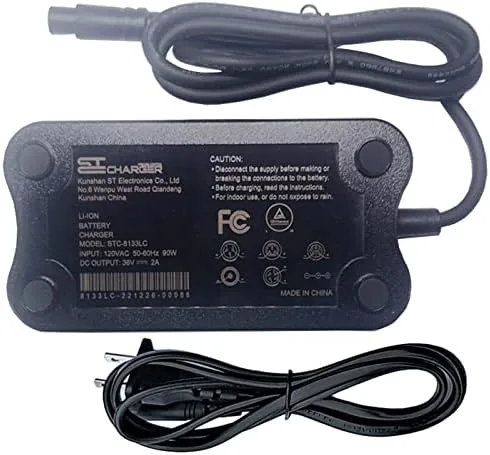
The MX Pro scooter has emerged as the flagship model for adult commuters, combining range, speed, and build quality that punches well above its price point. Its dedicated 42V charging system and 36V battery architecture deliver reliable power cycles that riders trust for daily commutes. The jdjakmc hard shell storage bag designed specifically for the MX Pro adds practical cargo capacity without compromising the scooter's sleek aesthetic or foldability. Riders consistently praise how the quick-release mounting system stays secure over rough pavement while remaining tool-free for removal.
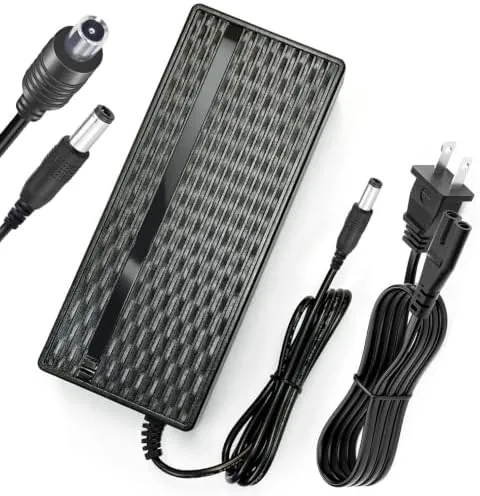
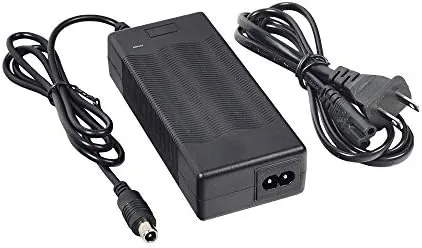
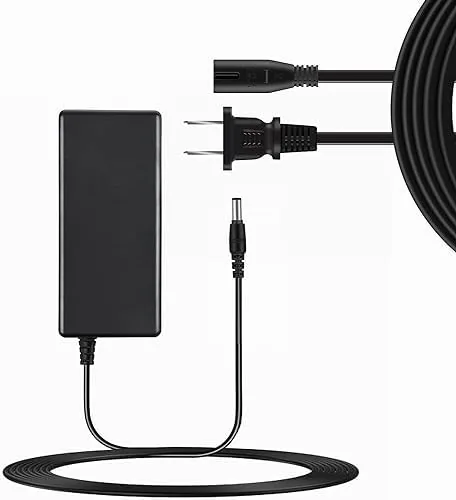
The MX1 and MX2 models serve riders seeking slightly different form factors while maintaining the same core reliability. Accessories like the 42V adapter charger compatible with MX1, MX2, MX3, and MX Pro models demonstrate the brand's commitment to ecosystem compatibility. Rather than forcing proprietary accessories for each model, the standardized 36V battery platform allows riders to share chargers between vehicles or stock a single backup unit for multiple family members.
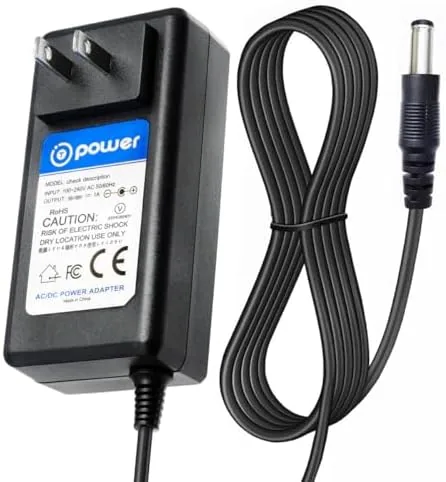
For riders using higher-voltage systems like the Wrangler-600 or MAX models, the T POWER 54.6V charger provides third-party support with universal voltage input capability. The availability of these compatible charging solutions and storage accessories confirms the brand's growing ecosystem and aftermarket support network. Replacement parts ship fast, charging solutions work reliably, and the community of riders continues expanding.
Aluminum Frames, Lithium Cells, and Components Built to Last
Frame construction across the vehicle lineup prioritizes aluminum alloys selected for their strength-to-weight ratio and corrosion resistance. Urban commuters encounter rain, road salt, and humidity that would quickly degrade steel frames, but properly anodized aluminum maintains structural integrity and appearance through years of daily exposure. Weld points receive particular attention during manufacturing, with reinforced junctions at stress concentrations where folding mechanisms and handlebar posts meet main tubes.
Battery cells sourced from tier-one suppliers undergo individual testing before assembly into packs. The lithium-ion chemistry selected balances energy density with thermal stability, reducing fire risk while maximizing range per charge. Battery management systems continuously monitor cell voltage, temperature, and charge cycles to prevent damage from overcharging, deep discharge, or abnormal heat conditions. These protective circuits extend usable battery lifespan well beyond cheaper alternatives that skip such safeguards.
Brake systems use Tektro components recognized throughout the cycling industry for consistent performance and straightforward maintenance. Disc rotors resist warping under repeated hard stops, while semi-metallic brake pads deliver progressive feel that riders control intuitively. Tire compounds balance grip with durability, featuring puncture-resistant layers that reduce flat frequency without adding excessive rolling resistance. Every material choice reflects the brand's understanding that commuter vehicles must perform reliably day after day.
From the Morning Commute to Weekend Family Rides: Real Performance Results
Riders report consistent range figures that match or exceed advertised specifications when following sensible usage patterns. E-bike owners traveling mixed terrain with moderate pedal assist routinely achieve 40-50 miles before needing a recharge. Scooter riders covering flat urban routes in eco mode similarly reach their destinations and return home on single charges. These real-world results matter more than laboratory maximums because they reflect actual commuting conditions including stop-and-go traffic, minor inclines, and varying rider weights.
Comfort over extended rides distinguishes these vehicles from bargain alternatives that become painful after 15 minutes. Seat designs on e-bikes distribute weight properly, handlebar positions reduce wrist strain, and suspension components absorb vibrations that would otherwise transfer through rigid frames. Scooter decks provide adequate standing room while anti-slip surfaces maintain grip regardless of shoe type or weather conditions. Riders complete full commutes arriving refreshed rather than fatigued.
Durability across seasons and years validates the upfront investment. Owners document thousands of miles accumulated without major component failures. Brake pads wear gradually and replace affordably. Tires eventually need swapping but hold up far longer than cheap rubber alternatives. Batteries retain useful capacity through hundreds of charge cycles before gradual degradation becomes noticeable. The vehicles earn their keep through reliable daily service rather than disappointing with premature breakdowns.
Macwheel Electric Vehicles: Charging, Storage, and Daily Usage Best Practices
- Charging Timing Charge batteries after each ride rather than waiting for complete depletion. Lithium-ion cells maintain health longer when kept between 20% and 80% capacity during storage, with occasional full cycles to calibrate battery meters accurately.
- Temperature Considerations Store vehicles and batteries in climate-controlled environments when possible. Extreme cold reduces range temporarily while extreme heat accelerates chemical degradation. Never charge batteries immediately after exposure to freezing temperatures.
- Folding Mechanism Care Apply light lubricant to folding joints monthly if used daily. Inspect latch engagement before each ride to confirm secure lockout. Report any looseness immediately rather than continuing to ride, as folding failures create serious safety hazards.
- Tire Pressure Monitoring Check pressure weekly using a reliable gauge. Under-inflated tires increase rolling resistance, reduce range, and accelerate wear patterns. Over-inflation reduces grip and comfort while increasing puncture vulnerability.
- Brake Inspection Verify brake pad thickness monthly by visual inspection through caliper windows. Listen for metallic scraping indicating worn pads contacting rotors. Replace pads in pairs to maintain balanced stopping power between wheels.
- Cleaning Protocols Wipe down frames with damp cloths after wet rides. Avoid direct water spray on battery contacts, display panels, or motor housings. Apply protective silicone spray to exposed metal surfaces seasonally to prevent corrosion.
Staying Secure: Weight Limits, Speed Settings, and Protective Gear Recommendations
Every model specifies maximum rider weight limits that reflect engineering safety factors rather than conservative estimates. Exceeding these limits stresses frames, motors, and brakes beyond tested parameters, potentially causing failures during operation. Riders near limit thresholds should select models with higher weight capacities rather than hoping specifications include hidden margins. Family members sharing vehicles must verify that the heaviest user falls comfortably within rated limits.
Speed settings on kids' scooters serve as essential parental controls rather than marketing features. The lowest settings restrict maximum velocity to walking pace, allowing young children to develop balance and steering skills without dangerous momentum. Parents can increase speed limits gradually as children demonstrate competence, eventually unlocking full performance for older riders who have proven their judgment and reflexes. Never bypass or disable these restrictions regardless of child protests.
Protective gear requirements vary by jurisdiction but should exceed legal minimums regardless of local regulations. Helmets certified to CPSC, ASTM, or equivalent standards protect against head injuries that no amount of vehicle engineering can prevent. Wrist guards, knee pads, and elbow protection significantly reduce injury severity during falls. Reflective clothing and active lighting extend visibility during dawn, dusk, and nighttime riding when most accidents occur. The few seconds required to gear up properly represent trivial inconvenience compared to potential injury consequences.
Perfect for Last-Mile Commuters, Campus Cruisers, and Active Families
Ideal Rider Profiles
- Transit users covering 1-5 miles between stations and destinations
- College students navigating sprawling campuses
- Urban apartment dwellers without parking access
- Parents seeking car-free school transportation options
- Recreational riders exploring bike trails on weekends
Lifestyle Matches
- Environmentally conscious professionals reducing carbon footprints
- Budget-minded commuters avoiding fuel and parking costs
- Tech-comfortable users who appreciate app connectivity
- Space-constrained households requiring foldable storage
- Multi-generational families seeking vehicles for adults and children
Selecting Your Electric Vehicle: Model Comparison and Buyer Guidance
Choosing between e-bikes and scooters depends primarily on distance requirements and physical engagement preferences. E-bikes suit riders covering longer distances who want exercise integration through pedaling, those navigating hilly terrain where motor-assisted pedaling outperforms pure throttle power, and commuters who may occasionally ride without electric assistance when batteries deplete. Scooters excel for shorter last-mile connections, riders prioritizing minimal physical exertion, and those needing maximum portability for combining electric transportation with public transit.
Within the scooter lineup, model selection hinges on range needs, speed requirements, and budget constraints. The MX Pro delivers premium performance for riders demanding maximum specifications, while the MX1 offers excellent value for moderate commuting distances. Accessories like storage bags and spare chargers enhance functionality for any model, so factor accessory costs into total purchase budgets. Consider whether smartphone app connectivity matters for your usage patterns before selecting models that include or omit this feature.
Kids' scooter selection requires honest assessment of child maturity alongside physical dimensions. Adjustable height settings accommodate growth, but maximum speed capabilities should match demonstrated riding competence rather than aspirations. Start younger or less experienced children with lower-speed models even if they physically fit higher-performance options. Upgrade paths exist within the product line, allowing graduation to more capable vehicles as skills develop. Safety features like LED lighting and reliable braking matter more than top speed for vehicles carrying precious cargo.
Macwheel vs. Competitors: Value, Features, and Performance Comparison
| Feature | Macwheel | Segway-Ninebot | Hiboy |
|---|---|---|---|
| Price Range | $300-$800 | $500-$1,200 | $250-$600 |
| Battery Range (Scooters) | Up to 25 miles | Up to 28 miles | Up to 17 miles |
| Battery Range (E-Bikes) | Up to 50+ miles | N/A (limited e-bike offerings) | Up to 35 miles |
| Folding Mechanism | Quick-release secure latch | One-click folding | Standard folding |
| Brake System | Tektro dual disc | Electronic + drum | Disc + electronic |
| App Connectivity | Select models | Most models | Select models |
| Kids' Product Line | Full range available | Limited options | Full range available |
| Shimano Gearing (E-Bikes) | Yes | N/A | Some models |
| Warranty Coverage | 1 year standard | 1-2 years | 1 year standard |
| Aftermarket Accessories | Growing ecosystem | Extensive | Moderate |
Specifications represent typical models within each brand's lineup. Individual product specifications vary. Verify current specifications before purchasing.
Maintaining Peak Performance: Seasonal Servicing and Long-Term Care
- Monthly Inspections Perform systematic checks of all fasteners, inspecting stem bolts, wheel axle nuts, and folding mechanism pins for looseness. Vibration naturally loosens hardware over time, and catching loose components early prevents failures during rides.
- Quarterly Deep Cleaning Remove wheels and thoroughly clean brake components. Inspect rotors for warping or contamination that reduces braking efficiency. Clean motor housings of accumulated debris without using water that could penetrate seals.
- Battery Conditioning Every 20-30 charge cycles, perform one complete discharge followed by full charge to recalibrate battery management system readings. Store batteries at 50-60% charge if vehicles will sit unused for extended periods exceeding one month.
- Tire Replacement Timing Replace tires when tread depth diminishes noticeably or sidewalls show cracking from UV exposure and age. Front tires typically wear faster on scooters due to braking forces, while rear tires wear faster on e-bikes due to drive forces.
- Seasonal Storage Preparation Before winter storage in cold climates, clean vehicles thoroughly, charge batteries to 50-60%, and store in temperature-controlled environments. Apply protective lubricants to chains, folding mechanisms, and exposed cable ends to prevent corrosion.
- Professional Service Intervals Schedule professional inspections annually or every 1,500 miles for e-bikes, addressing wheel truing, bearing adjustment, and electrical system diagnostics that exceed typical owner capabilities.